Indulge in Excellence — Use Code LUXURYTASTES10 to receive 10% OFF · REDEEM NOW →

Category: Uncategorized

  • The Kinetics of Extraction: An Engineering Approach to Harvesting Premium Saffron

    The Kinetics of Extraction: An Engineering Approach to Harvesting Premium Saffron

    **Source:** https://www.luxurytastes.com/journal/the-kinetics-of-extraction-an-engineering-approach-to-harvesting-premium-saffron/

    **Meta description:** Behind-the-scenes, saffron recipes, chef tips and luxury food stories from the UK’s 2-Star Great Taste Award-winning brand.

    Luxury Tastes Wins 2-Star Great Taste Award 2025 – UK’s Best Premium Super Negin Saffron Revealed

    Blind-tasted by 500+ Michelin chefs, critics and buyers. Stars explained:

    • 3 Stars (Exquisite): Top ~2 % – world-class
    • 2 Stars (Outstanding): Elite top ~10 % – we won in 2025
    • 1 Star: Solid ~28 % – great, but not elite

    The Kinetics of Extraction: An Engineering Approach to Harvesting Premium Saffron
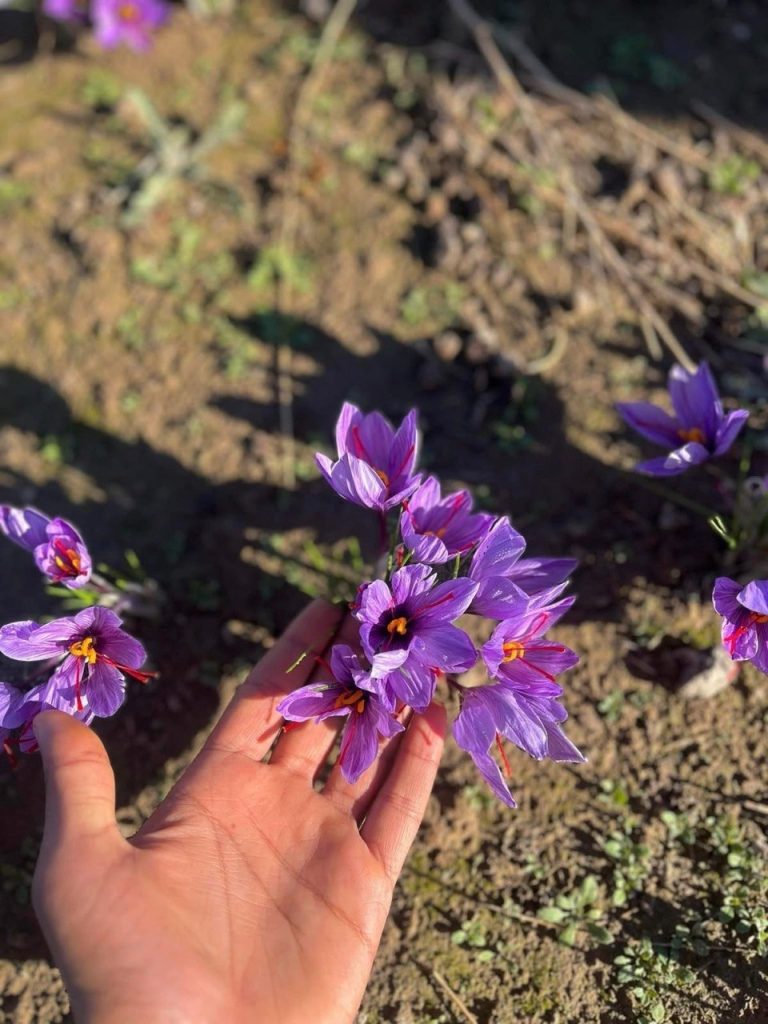
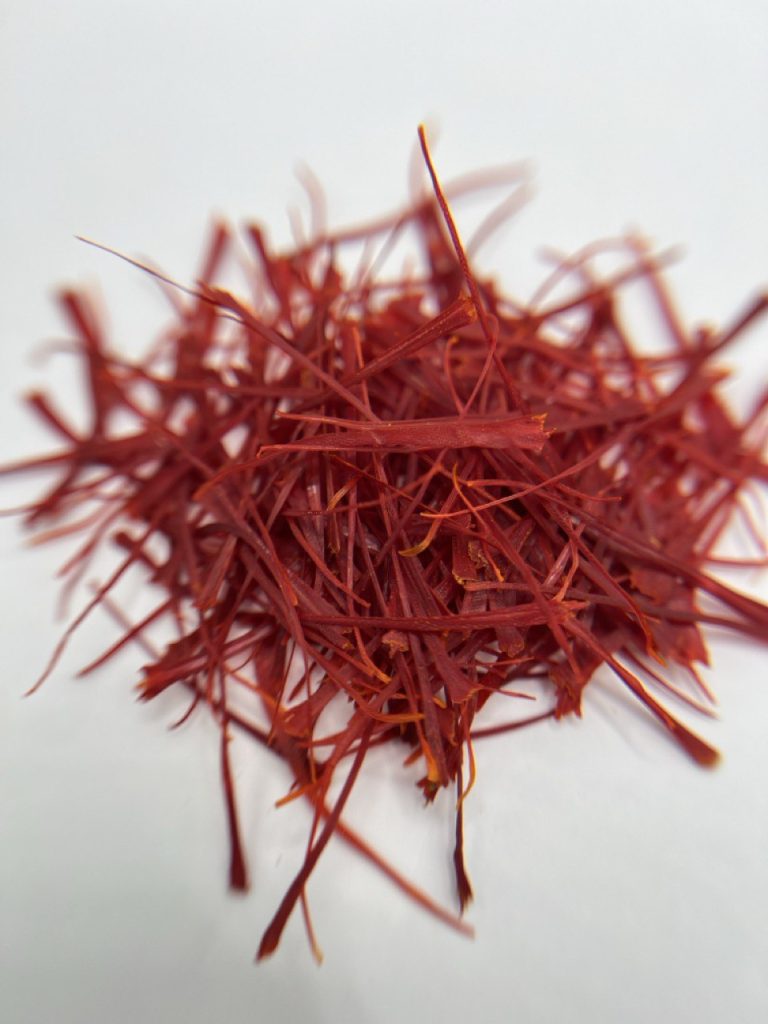
    The production of saffron ( Crocus sativus ) is widely recognised as one of the most labour-intensive operations in global agriculture. While mainstream culinary narratives focus on the romance of the harvest, an Industrial Engineering analysis reveals that the saffron harvest is a highly volatile, time-critical extraction process. The delta between an ordinary commercial product and an ultra-premium luxury commodity depends entirely on thermodynamic control, moisture elimination kinetics, and post-harvest structural sorting.

    As global supply chains shift toward total traceability, this paper outlines the precise agronomic, mechanical, and chemical processing parameters required to execute a world-class saffron harvest that maximizes the yields of Crocin (color), Picrocrocin (flavor), and Safranal (aroma) .

    1. The Temporal Window: Photoperiod and Thermal Triggering

    The flowering window of Crocus sativus is exceptionally narrow, typically spanning a 14-to-20-day period during mid-to-late autumn. The exact trigger for floral emergence is highly dependent on a sharp drop in ambient soil temperature paired with specific photoperiod shifts.
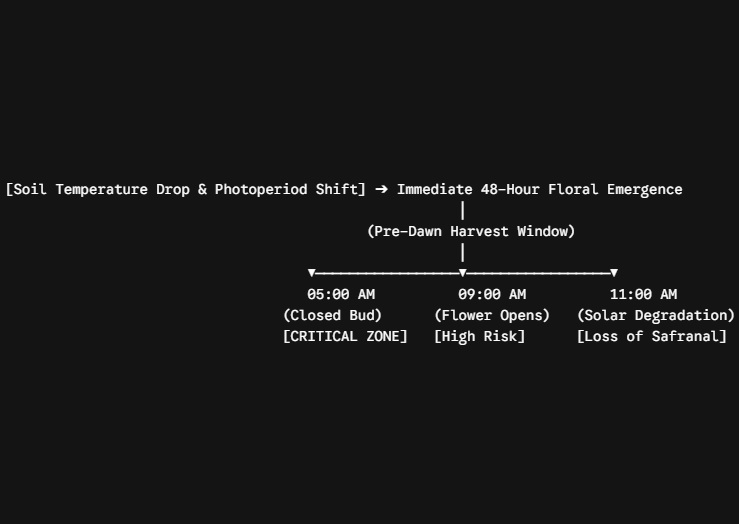
    The Pre-Dawn Extraction Mandate

    From a harvesting workflow perspective, the daily collection window operates on a strict countdown. Field extraction must commence at approximately 05:00 AM and terminate before 09:00 AM .

    • The Protective Bud: During these early hours, the purple perianth (the flower bud) remains tightly closed. This physical barrier shields the internal red stigmas from direct solar radiation, ambient wind pollutants, and moisture loss.
    • Solar Volatilisation Risk : If harvesting extends past mid-morning, the flower fully opens under the sun. Direct ultraviolet (UV) exposure immediately initiates the volatilisation of Safranal , the compound responsible for saffron’s complex aroma. Concurrently, solar heat degrades the glycosidic bonds of Crocin , permanently reducing the final colouring power of the crop.

    2. Mechanical Separation (The Art of Trimming)

    Once the flowers are collected in ventilated, shallow baskets to prevent crushing, they enter the processing facility for immediate post-harvest separation. This phase determines the final commercial grade of the product.

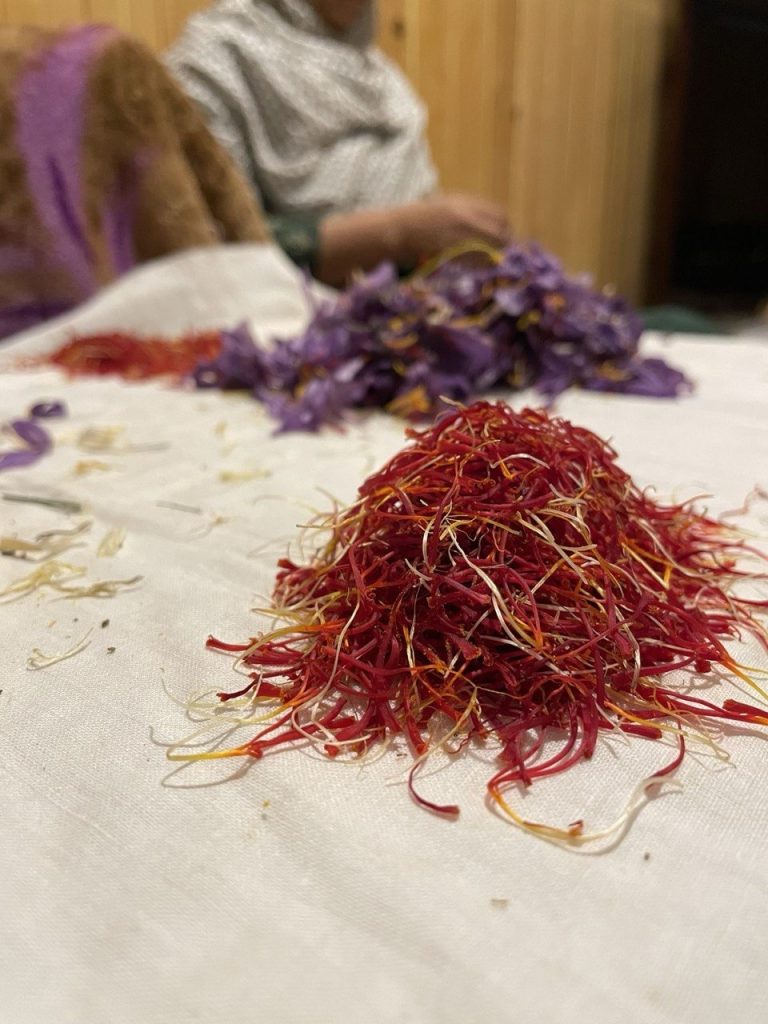
    The separation must occur within 10 to 12 hours of picking to prevent fungal growth or cellular wilting. Workers must manually extract the three-pronged red stigma from the rest of the flower.
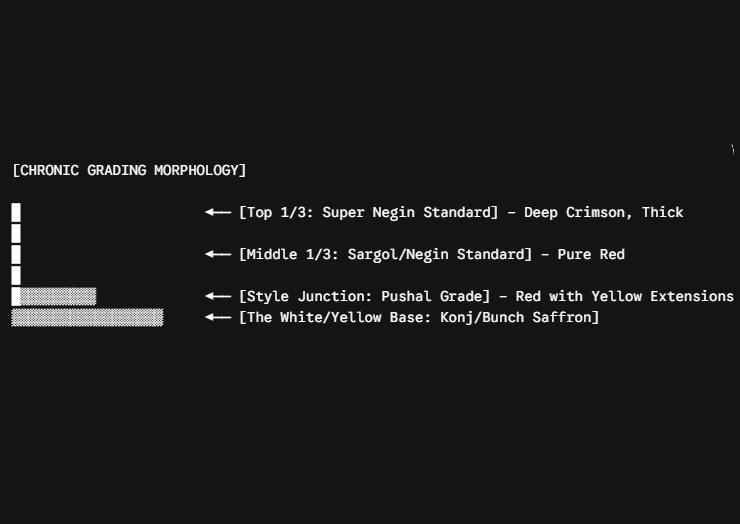
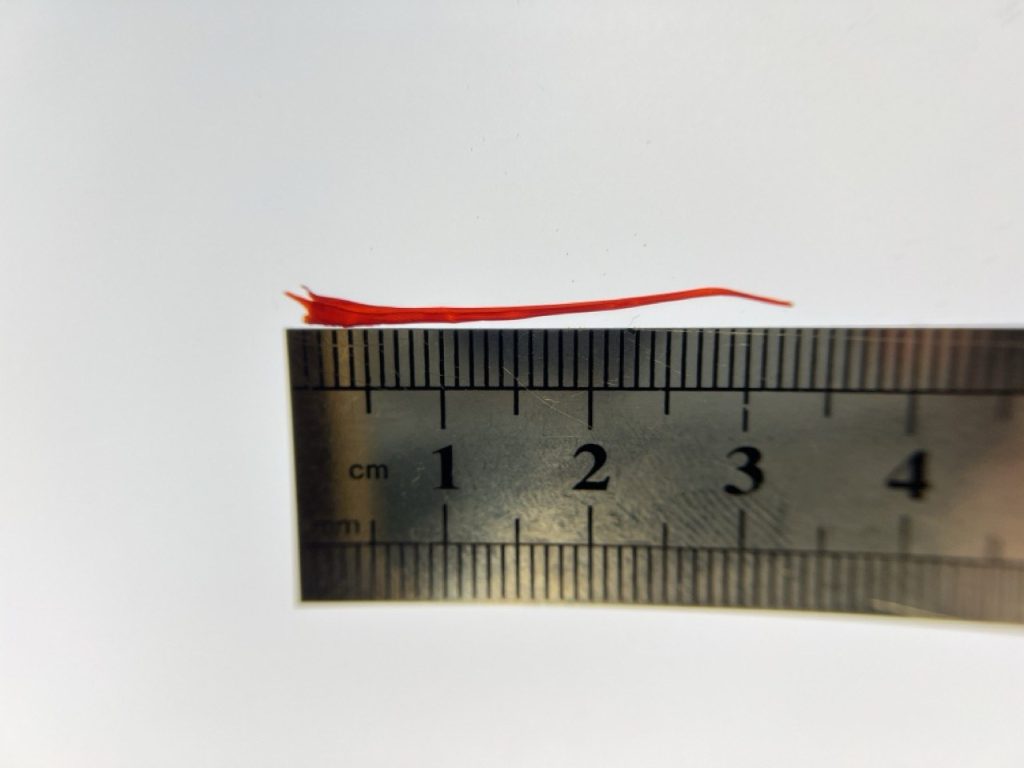
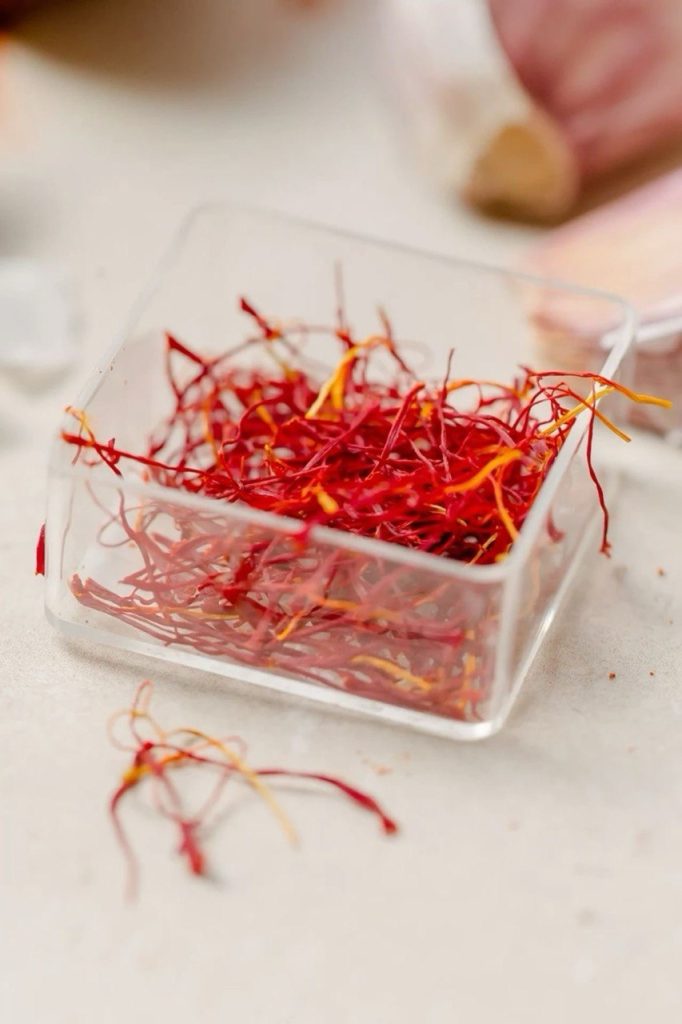
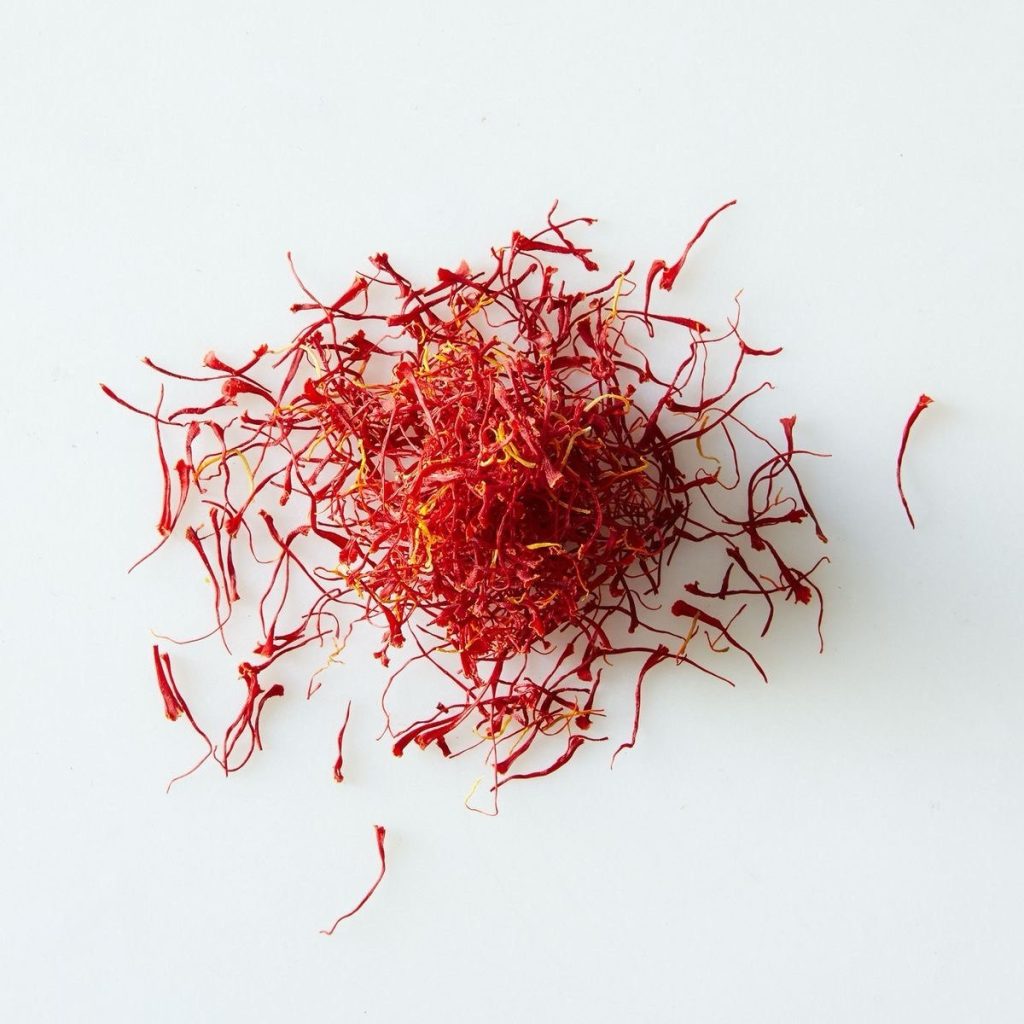
    • Super Negin Grade Calibration: To achieve the ultra-premium Super Negin classification, the trimmer must sever the three stigmas exactly at their point of symmetrical junction, ensuring zero yellow style and zero orange debris remain attached. The resulting filaments must be straight, long, and completely detached from one another.

    3. Dehydration Thermodynamics: Fixing the Bioactive Matrix

    Freshly harvested saffron stigmas contain approximately 75% to 80% moisture by weight . To halt cellular respiration and stabilize the chemical matrix for long-term storage, moisture content must be reduced rapidly to a target threshold of 10% to 12% .

    The method of dehydration directly influences the molecular profile under High-Performance Liquid Chromatography (HPLC) auditing.
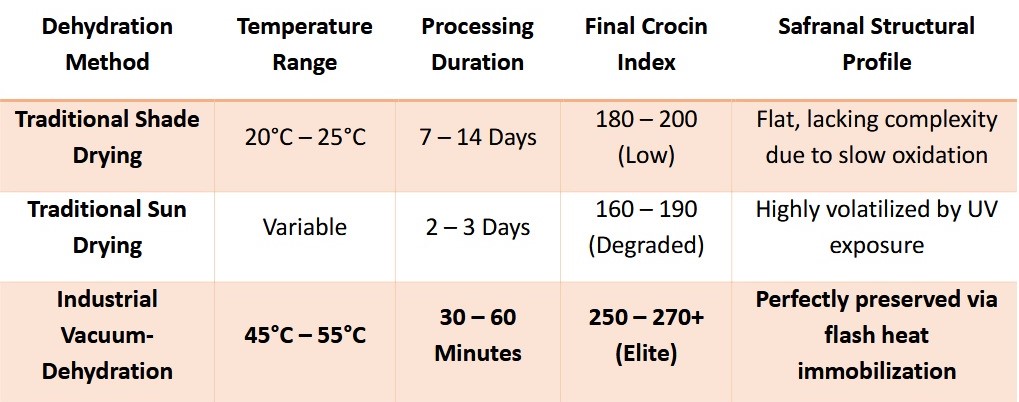
    During optimal industrial vacuum-dehydration, the application of precise, controlled heat alters picrocrocin through mild thermal hydrolysis, converting a fraction of it into pure safranal . This step carefully balances intense aroma with rich, deep coloration.

    4. Supply Chain Synchronization and Precision Applications

    At Green Trade Chain Ltd , our Agri-Tech Infrastructure and Mentoring frameworks treat agricultural products as precision variables. Harvesting the world’s finest saffron is only half the battle; preserving that fragile crystalline-like organic matrix requires an unpolluted, stable environment.

    This exact philosophy directed the creation of our signature Luxury Tastes Saffron Desert Salt .
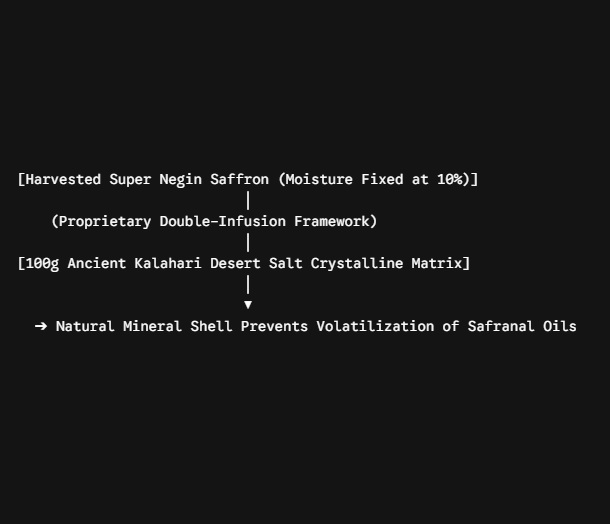
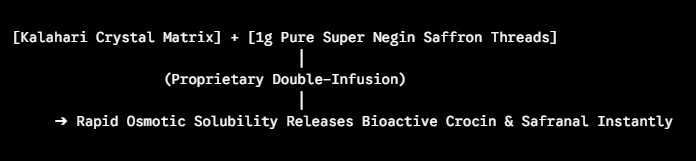
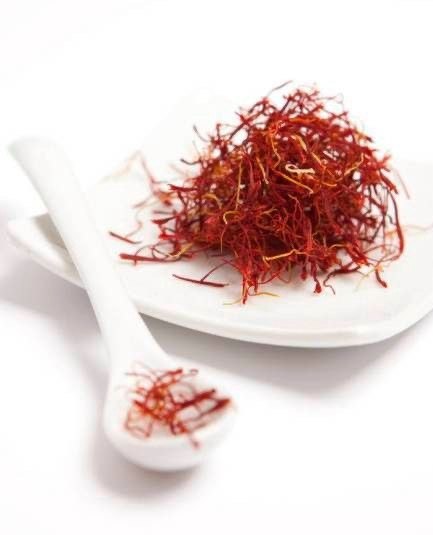
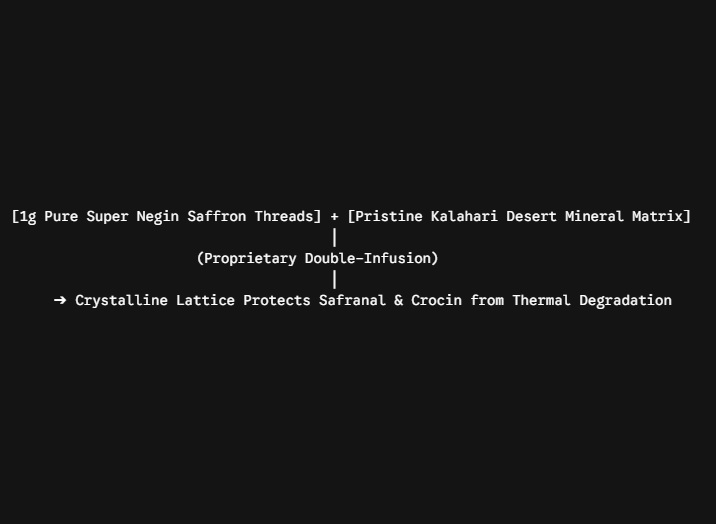
    Instead of allowing our pristine, harvested Super Negin Saffron to degrade over time in open air, we take 1 full gram of these perfectly dehydrated filaments and double-infuse them directly into a 100g matrix of ancient, microplastic-free Kalahari Desert salt.

    When you use our Refillable Gourmet Spice Mill , the mechanical grinding action shatters the protective mineral shell, instantly activating and releasing the fresh saffron oils onto hot proteins or grains. This delivers maximum antioxidant bioavailability and an immediate, vibrant golden-crimson presentation without the need for hours of pre-steeping.

    Conclusion: The Engineering behind the Luxury

    Understanding how to harvest saffron properly highlights why this botanical is so highly valued. From the pre-dawn collection schedule to the strict thermodynamic parameters of industrial dehydration, every step requires absolute precision. By applying modern engineering systems to ancient harvesting traditions, we ensure that every thread delivers uncompromising chemical purity.

    Experience the future of traceable, precision-harvested flavor by discovering the collections at Luxury Tastes .

    About the Author: Behdad Gitinezhad, PhD, CMgr , is the Founder and R&D Executive of Green Trade Chain Ltd . As a Chartered Manager (CMgr) with a PhD in Industrial Engineering, his research focuses on integrating advanced industrial systems and AI-driven frameworks to automate the production and optimisation of high-value botanical and mineral commodities.
    Leave a Reply Cancel reply

  • The Bio-Chemical Matrix of Sweetness: Sugar, Diabetes, and the Molecular Evolution of Sweeteners (Part 2)

    The Bio-Chemical Matrix of Sweetness: Sugar, Diabetes, and the Molecular Evolution of Sweeteners (Part 2)

    **Source:** https://www.luxurytastes.com/journal/the-bio-chemical-matrix-of-sweetness-sugar-diabetes-and-the-molecular-evolution-of-sweeteners-part-2/

    **Meta description:** Behind-the-scenes, saffron recipes, chef tips and luxury food stories from the UK’s 2-Star Great Taste Award-winning brand.

    Luxury Tastes Wins 2-Star Great Taste Award 2025 – UK’s Best Premium Super Negin Saffron Revealed

    Blind-tasted by 500+ Michelin chefs, critics and buyers. Stars explained:

    • 3 Stars (Exquisite): Top ~2 % – world-class
    • 2 Stars (Outstanding): Elite top ~10 % – we won in 2025
    • 1 Star: Solid ~28 % – great, but not elite

    The Bio-Chemical Matrix of Sweetness: Sugar, Diabetes, and the Molecular Evolution of Sweeteners (Part 2)

    Following our molecular taxonomy of synthetic alternatives and polyols outlined in Part 1: The Bio-Chemical Matrix of Sweetness , the scientific focus now shifts to the absolute frontier of metabolic engineering. While early-generation sugar substitutes succeeded in isolating sweetness from immediate glycemic impact, they failed to replicate the precise mouthfeel, structural caramelization, and thermodynamic behavior of sucrose. More critically, they offered zero functional benefits to cellular health.

    Today, through the integration of Industrial Engineering and clinical biotechnology, we unlock the biological gold standards of sweetness: Natural Plant-Based Glycosides and Rare Sugars (Monosaccharides) . This definitive guide evaluates the absolute winner of the sweetener revolution, maps the complex global regulatory frameworks governing its distribution, and provides a blueprint for complete metabolic restoration.

    1. Natural Glycosides and the Rare Sugar Horizon

    To bypass the gastrointestinal distress associated with high-volume sugar alcohols and the neural taste distortions of artificial chemicals, modern endocrinology focuses heavily on two specific organic categories.

    Category C: Natural High-Intensity Plant-Based Glycosides

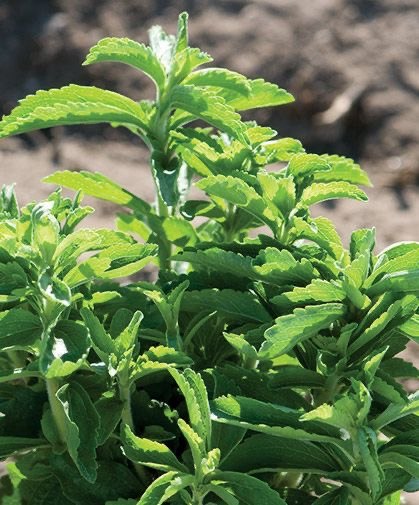
    Compounds extracted from botanical sources, such as Steviol Glycosides ( Stevia rebaudiana ) and Mogrosides ( Siraitia grosvenorii / Monk Fruit), fit perfectly into human sweet-taste receptors without depositing carbohydrates.

    • Rebaudioside A (Reb-A): The most common stevia extract, providing up to 300 times the sweetness of sugar. However, its molecular structure often triggers a lingering bitter aftertaste by stimulating the hTAS2R functional bitter receptors on the tongue.
    • Mogroside V: The active compound in Monk Fruit, which offers a cleaner sensory profile and exhibits potent anti-inflammatory properties in cellular models.

    Category D: The Rare Sugar Frontier (D-Allulose)

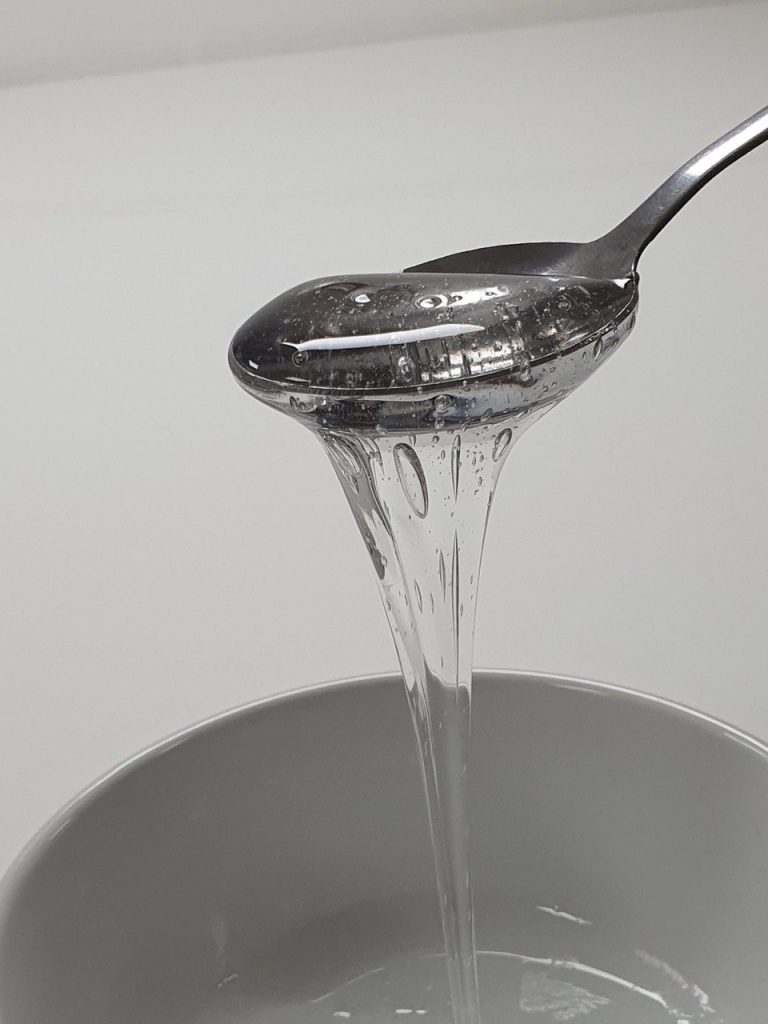
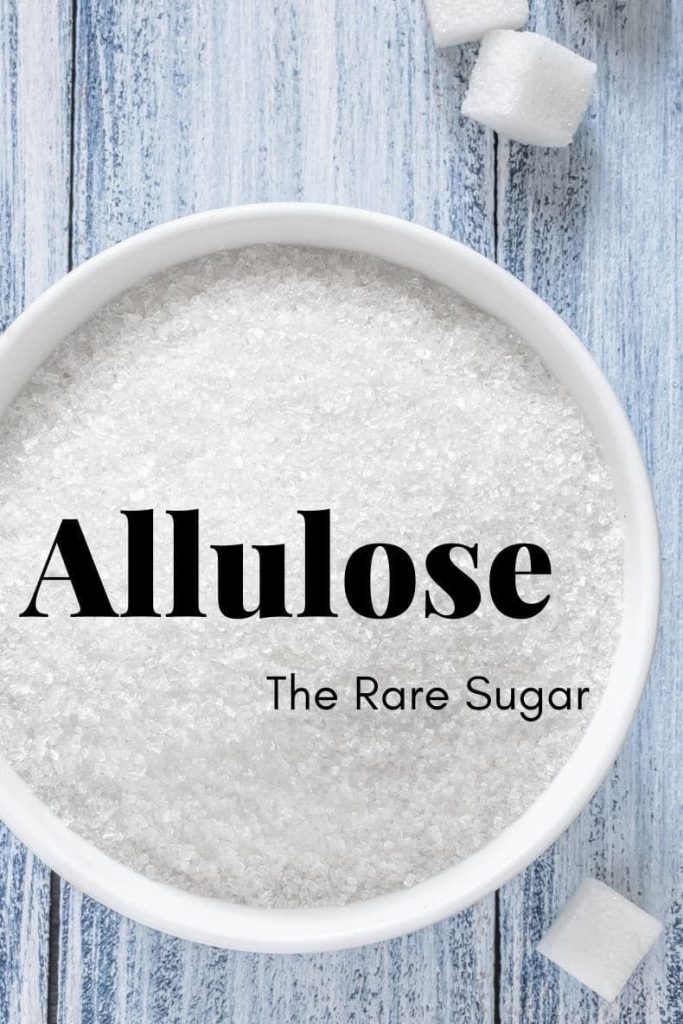
    The most significant breakthrough in carbohydrate biochemistry is the discovery and scaled production of Rare Sugars —monosaccharides that exist in minute quantities in nature (found in figs, raisins, and jackfruit). The absolute gold standard of this class is D-Allulose (C6H12O6) , an epimer of D-fructose.

    2. The Absolute Winner: Why D-Allulose is the King of Sweeteners

    From an evaluation benchmark spanning thermal stability, glycemic neutrality, and physiological protection, D-Allulose emerges as the unrivaled alternative to sucrose.

    The Physics of True Caramelization

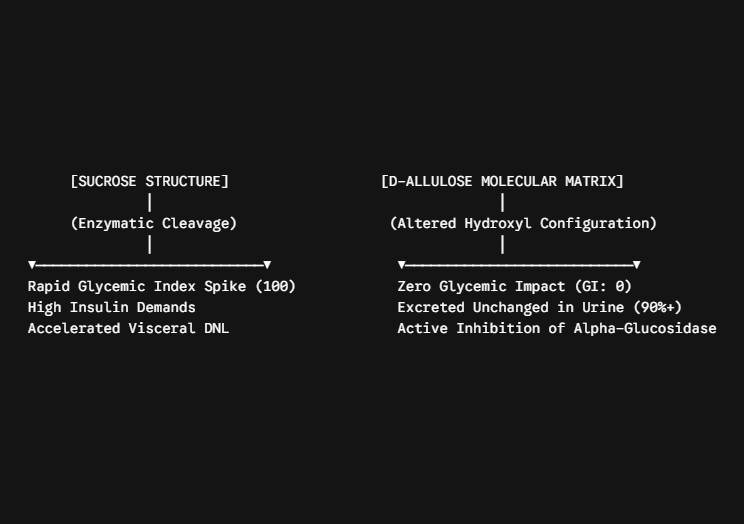
    Unlike stevia, erythritol, or sucralose, Allulose shares the exact chemical formula as fructose but features a reversed hydroxyl group configuration at the C-3 position. This minor spatial modification prevents human digestive enzymes from breaking it down for energy. However, because it remains a true monosaccharide, it exhibits identical bulk physical properties to sugar: it bakes, browns, undergoes the Maillard Reaction (caramelization) , and matches 70% of the sweetness of sucrose with an identical mouthfeel and zero cooling effect.

    The Clinical Proof: GLP-1 and Alpha-Glucosidase Inhibition

    Peer-reviewed clinical trials published by The New England Journal of Medicine and long-term metabolic data verified by MDPI Nutrients demonstrate that Allulose is not merely passive; it is actively therapeutic:

    • Enzymatic Blockade: Allulose competitively inhibits alpha-glucosidase and alpha-amylase in the small intestine, slowing down the breakdown and absorption of other co-ingested carbohydrates.
    • Hepatic Glucose Regulation: It promotes the synthesis of hepatic glycogen rather than converting into fat, stabilizing blood plasma glucose levels post-consumption.
    • Pancreatic Preservation: By blunting postprandial glucose spikes, it reduces the workload on pancreatic beta-cells, allowing them to recover from chronic hyperinsulinemia stress.

    3. Global Regulatory Compliance: Navigating the Legal Landscape

    As a forward-thinking, compliance-driven enterprise, Green Trade Chain Ltd strictly monitors the legal and regulatory status of all functional ingredients across international borders. The global deployment of D-Allulose is governed by varying statutory bodies, requiring a meticulous cross-border legal approach.

    The United States (US FDA Framework)

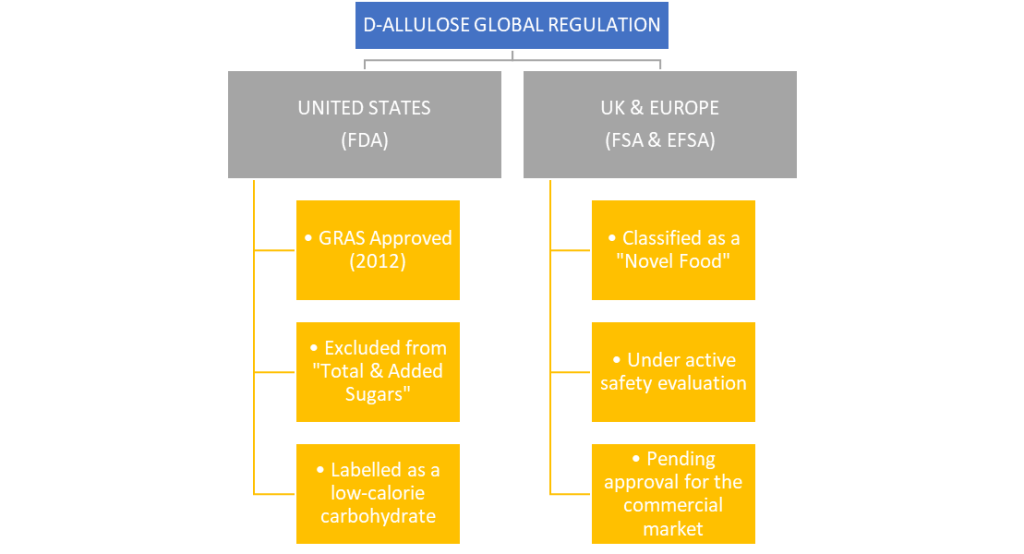
    In the United States, the Food and Drug Administration (FDA) initially granted D-Allulose GRAS (Generally Recognized as Safe) status in 2012. A historic regulatory shift occurred in 2019 when the FDA issued a guidance document allowing Allulose to be excluded from the “Total Sugars” and “Added Sugars” lines on Nutrition Facts labels . Because it yields only 0.2 to 0.4 kcal/g, it is legally classified as a low-calorie carbohydrate, allowing American food manufacturers to scale its usage rapidly.

    The United Kingdom and European Union (FSA & EFSA Frameworks)

    As an entrepreneur operating within the UK premium markets, navigating the Food Standards Agency (FSA) and European Food Safety Authority (EFSA) mandates is vital. In the UK and Europe, D-Allulose is legally categorized under the Novel Food Regulation (EC) No 258/97 .

    • The Safety Mandate: Because Allulose did not have a history of significant consumption within the UK or EU prior to May 1997, it requires a formal pre-market authorisation approval.
    • Current Status (2026): Active consortia and scientific applications are currently undergoing evaluation by the FSA and EFSA to officially validate its toxicology, safety profiles, and metabolic neutrality. Consequently, while fully legalized in the US, Japan, and South Korea, its commercial distribution in UK retail sectors remains tightly restricted until the Novel Food clearance is formally granted.
    • Our Commitment: Green Trade Chain Ltd strictly follows these evolving updates, ensuring that any portfolio expansion aligning with functional rare sugars fully complies with UK food security and trade standards.

    4. Systems Integration: Enhancing Bioavailability Without Spikes

    The primary mandate of our business is to engineer functional excellence across our entire luxury taxonomy. In Part 1 , we detailed how refined sugar causes advanced glycation end-products (AGEs) and structural degradation. To counteract this, modern wellness regimes require the coupling of premium rare sugars with highly bio-available botanical antioxidants.

    This philosophy is beautifully mirrored in our primary formulation approach for our flagship Luxury Tastes Saffron Desert Salt .

    While salt and sweeteners sit at opposite ends of the flavor spectrum, they utilize parallel carrier principles. In our Refillable Gourmet Spice Mill , the unpolluted, microplastic-free Kalahari mineral matrix acts as a high-efficiency transport system for 1g of pure Super Negin Saffron threads . The trace minerals support electrolyte cellular balance, while the high concentration of carotenoids ( Crocin and Crocetin ) acts as a direct counter-measure to the oxidative stress and cellular inflammation caused by historical sugar abuse.

    Conclusion: The Path to Metabolic Sovereignty

    Reversing insulin resistance and mastering your metabolic architecture does not require the elimination of sensory pleasure. It requires scientific literacy, precision item sourcing, and an uncompromised awareness of global regulatory compliance. By replacing industrial sucrose with thermodynamically sound molecules like D-Allulose and integrating pure, traceably sourced botanicals into your daily routine, you regain complete control over your biological future.

    The future of agriculture and nutrition lies at the intersection of automated data, absolute purity, and biochemical integrity. Elevate your culinary and metabolic standards by exploring the engineered luxury collections at Luxury Tastes .

    About the Author:

    Behdad Gitinezhad, PhD, CMgr , is the Founder and R&D Executive of Green Trade Chain Ltd . As a Chartered Manager (CMgr) with a PhD in Industrial Engineering, his research focuses on integrating advanced industrial systems and AI-driven frameworks to automate the production and optimisation of high-value botanical and mineral commodities.
    Leave a Reply Cancel reply

  • The Geometry of Seasoning: An Industrial Systems Approach to Kosher Salt

    The Geometry of Seasoning: An Industrial Systems Approach to Kosher Salt

    **Source:** https://www.luxurytastes.com/journal/the-geometry-of-seasoning-an-industrial-systems-approach-to-kosher-salt/

    **Meta description:** Behind-the-scenes, saffron recipes, chef tips and luxury food stories from the UK’s 2-Star Great Taste Award-winning brand.

    Luxury Tastes Wins 2-Star Great Taste Award 2025 – UK’s Best Premium Super Negin Saffron Revealed

    Blind-tasted by 500+ Michelin chefs, critics and buyers. Stars explained:

    • 3 Stars (Exquisite): Top ~2 % – world-class
    • 2 Stars (Outstanding): Elite top ~10 % – we won in 2025
    • 1 Star: Solid ~28 % – great, but not elite

    The Geometry of Seasoning: An Industrial Systems Approach to Kosher Salt

    In professional gastronomy and large-scale food manufacturing, salt is treated not just as a flavour enhancer, but as a critical functional ingredient. Among the various mineral structures utilised in the industry, Kosher Salt stands as the undisputed workhorse of the professional kitchen. However, from the perspective of Industrial Engineering, the value of kosher salt does not lie in its chemical purity—which is nearly identical to standard table salt—but in its structural morphology and surface area mechanics .

    To dominate the premium food sector, one must understand the thermodynamic and physical behaviors of salt crystals. This technical analysis explores the industrial manufacturing, crystalline geometry, and culinary fluid dynamics of kosher salt, demonstrating how structural design influences global taste standards.

    1. The Physical Architecture: Flakes vs. Cubes

    The fundamental difference between kosher salt and granulated table salt lies in the crystallization process. Standard table salt undergoes a forced vacuum-evaporation process that yields dense, perfectly cubic crystals. In contrast, kosher salt is engineered to have a coarse, flat, or hollow pyramidal structure.

    There are two primary industrial methods used to achieve this geometry:

    • The Alberger Process : A mechanical technique where purified brine is brought to a pre-heating stage and evaporated in open pans. The salt crystals form on the surface as delicate, hollow flakes.
    • The Rolling Process : Extracted solar or rock salt crystals are mechanically compressed between heavy rollers to flatten the cubic lattice into coarse flakes.

    The Surface Area to Mass Ratio (SA:M)

    According to structural mineralogy profiles archived by Britannica , the open, porous geometry of a kosher salt flake drastically increases its surface area relative to its mass.

    This high ratio directly impacts two critical physical behaviors:

    • Adherence Dynamics : The flat, irregular surfaces of kosher salt flakes allow them to adhere to the moisture layers of proteins (such as steaks or poultry) far more effectively than smooth, heavy cubes that bounce off.
    • Solubility Rate: When introduced to moisture, the thin edges of a flake dissolve rapidly, creating an instantaneous, uniform brine without leaving pockets of undissolved sodium chloride.

    2. The Functional Advantage in Food Engineering

    The term “Kosher” originates from the traditional Jewish culinary process of dry-brining meat to remove surface blood. Because of the flake’s unique morphology, it extracts moisture through osmosis at a highly controlled rate, dissolving into the meat’s natural juices without over-salting the interior fibers.

    Professional Precision and Density Variability

    For professional chefs and automated food assembly lines, kosher salt offers a massive safety margin. Because the flakes are hollow and coarse, a tablespoon of kosher salt contains significantly less sodium mass than a tablespoon of dense table salt.

    • 1 Tablespoon of Table Salt ~ 18 to 20 grams of mass.
    • 1 Tablespoon of Kosher Salt (Alberger/Flaked) ~ 10 to 14 grams of mass.

    This density differential prevents catastrophic over-seasoning in high-pressure Michelin-starred environments, where chefs season by feel and touch rather than static weight metrics.

    3. The Mineral Hierarchy: Where Kosher Meets Exotic

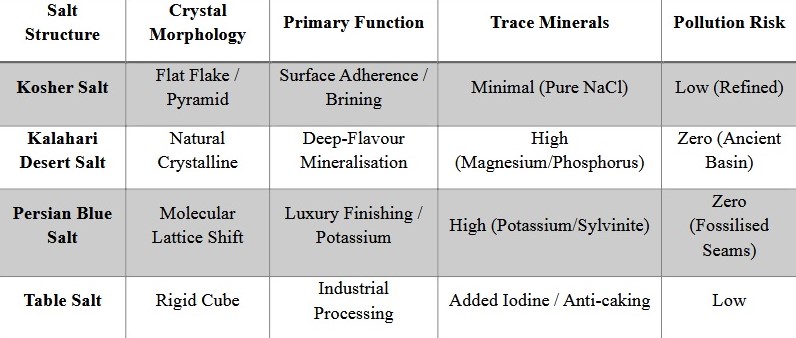
    While kosher salt is prized for its structural utility, it lacks the complex mineral density found in ancient fossilized or desert salts.

    4. Advanced Synergy: Elevating Crystalline Geometry with Saffron

    At Green Trade Chain Ltd , our R&D objective is to apply Agri-Tech Infrastructure to traditional commodities, creating superior functional hybrids. While kosher salt excels at structural adherence, we recognized that combining high-surface-area physics with premium active botanicals could create the ultimate finishing medium.

    This realization led to the development of the Luxury Tastes Saffron Desert Salt .

    Instead of using standard refined sodium, we utilize pristine Kalahari Desert salt, which is naturally structured to prevent microplastic contamination. We then double-infuse this matrix with 1g of Pure Super Negin Saffron threads —the highest grade evaluated for Crocin (color) and Safranal (aroma) under rigorous chromatographic standards.

    When processed through our Refillable Gourmet Spice Mill , the mechanical shear shatters the double-infused crystal lattice. Just like kosher salt, it dissolves instantly upon contact with hot proteins, but with an engineered bonus: it coats the surface with a uniform, crimson-gold aesthetic and unlocks the neuroprotective, antioxidant benefits of premium saffron.

    5. Quality Control and Compliance in the Supply Chain

    As a modern luxury brand, scaling these mineral frameworks requires strict engineering compliance. Traditional salt packaging lines often suffer from mass fluctuations and structural degradation during transit.

    By implementing Statistical Process Control (SPC) and automated weight calibration, our supply chain ensures that the crystalline integrity of our artisan products is preserved from the mining source to the global export market. This focus on traceability and structural engineering is what differentiates a standard kitchen commodity from a globally respected premium experience.

    Conclusion: The Structural Choice

    Kosher salt proves that in the culinary arts, physics is just as important as chemistry. The geometric shape of a salt crystal dictates how it dissolves, how it adheres, and ultimately, how it flavors. By mastering these structural dynamics, Luxury Tastes continues to push the boundaries of premium gastronomy, merging ancient mineral heritage with modern technical execution.

    About the Author: Behdad Gitinezhad, PhD, CMgr , is the Founder and R&D Executive of Green Trade Chain Ltd . As a Chartered Manager (CMgr) with a PhD in Industrial Engineering, his research focuses on integrating advanced industrial systems and AI-driven frameworks to automate the production and optimisation of high-value botanical and mineral commodities.
    Leave a Reply Cancel reply

  • The Analytical Blueprint: Evaluating the Top 5 Best Saffron Grades in the Global Market

    The Analytical Blueprint: Evaluating the Top 5 Best Saffron Grades in the Global Market

    **Source:** https://www.luxurytastes.com/journal/the-analytical-blueprint-evaluating-the-top-5-best-saffron-grades-in-the-global-market/

    **Meta description:** Behind-the-scenes, saffron recipes, chef tips and luxury food stories from the UK’s 2-Star Great Taste Award-winning brand.

    Luxury Tastes Wins 2-Star Great Taste Award 2025 – UK’s Best Premium Super Negin Saffron Revealed

    Blind-tasted by 500+ Michelin chefs, critics and buyers. Stars explained:

    • 3 Stars (Exquisite): Top ~2 % – world-class
    • 2 Stars (Outstanding): Elite top ~10 % – we won in 2025
    • 1 Star: Solid ~28 % – great, but not elite

    The Analytical Blueprint: Evaluating the Top 5 Best Saffron Grades in the Global Market

    In the global trade of high-value agricultural commodities, saffron ( Crocus sativus ) remains the most expensive botanical asset by weight. Often referred to as “Red Gold,” its pricing is driven by intensive manual harvesting requirements and delicate molecular composition. However, for professional chefs, pharmaceutical compliance officers, and luxury consumers, purchasing saffron is not merely a transaction—it is an exercise in chemical auditing.

    From an Industrial Engineering perspective, evaluating saffron quality requires looking past marketing labels to analyze physical morphology and High-Performance Liquid Chromatography (HPLC) data.

    As the global supply chain adapts to new tech-driven standards in 2026, this master guide evaluates the top 5 best saffron classifications in the world based on strict scientific, structural, and chemical parameters.

    The Molecular Triad of Saffron Quality

    Before ranking the varieties, a laboratory-grade benchmark must be established. Under international analytical standards, the true value of saffron is determined by three core bioactive metabolites:

    • Crocin (C44H64O24) : The water-soluble carotenoid responsible for saffron’s signature golden-yellow coloring power. Higher concentrations yield superior pigmentation density.
    • Picrocrocin (C16H26O7) : The bitter glycoside precursor that dictates the fundamental earthy flavor profile.
    • Safranal (C10H14O) : The volatile monoterpene aldehyde that gives saffron its unmistakable hay-like aroma. Preserving Safranal requires strict temperature stabilisation during the dehydration phase.

    The Definitive Ranking: Top 5 Best Saffron Categories

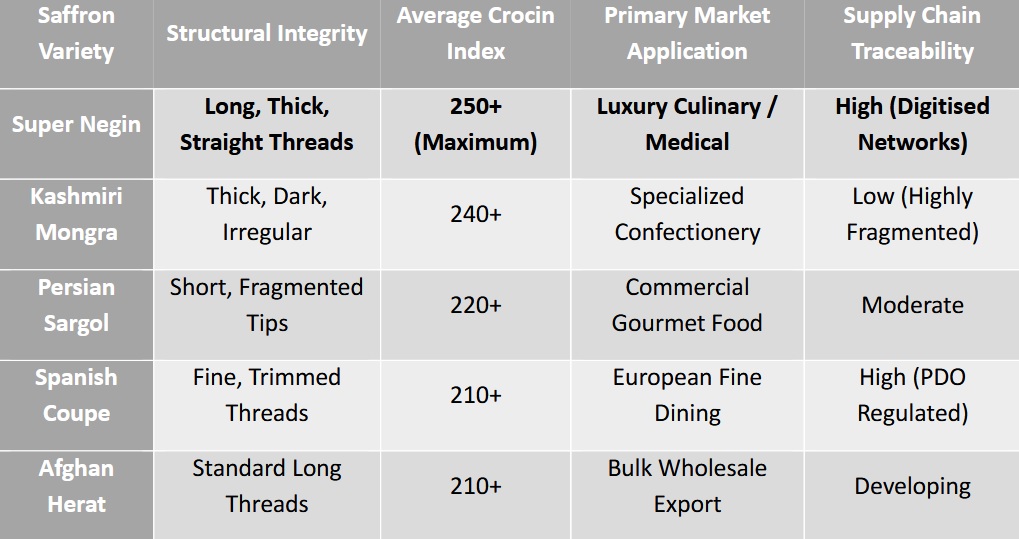
    1. The Gold Standard: Super Negin Saffron

    • Origin: Ancient Iranian and Central Asian plateaus.
    • Morphology: All-red, thick filaments with absolutely zero yellow style or orange debris. The stigmas are completely straight and detached.
    • Chemical Profile: Exceeds a Crocin coloring strength of 250 to 270+ under rigorous HPLC fingerprinting.
    • The Systems Engineering Verdict: Super Negin represents the absolute pinnacle of artisan sorting and mechanical precision. Because it contains only the pure, top section of the stigma, it boasts the highest concentration of bioactive antioxidants and crocin derivatives per gram. This makes it the primary choice for ultra-luxury culinary infusions and targeted neuro-nutraceutical formulations.

    2. The Traditional Icon: Spanish Coupe Saffron

    • Origin: La Mancha Region, Spain (Protected Designation of Origin – PDO).
    • Morphology: Deep red filaments, closely trimmed to eliminate the yellow style, though slightly smaller in thread thickness compared to modern Super Negin.
    • Chemical Profile: Average Crocin index ranging between 210 and 230 .
    • The Systems Engineering Verdict: Spanish Coupe is highly respected for its strict cultural heritage and historical grading consistency. While its raw coloring power sits slightly below Super Negin due to traditional sun-drying variations, its intense aroma profile (high Safranal density) makes it an exceptional, albeit high-priced, benchmark for classical European gastronomy.

    3. The Rare Heritage: Kashmiri Mongra Saffron

    • Origin: Kareva valley soils of Pampore, Kashmir.
    • Morphology: Intensely dark, almost purplish-red threads with a distinctively heavy, thick structure.
    • Chemical Profile: High organic mineral content with a Crocin index frequently crossing 240 .
    • The Systems Engineering Verdict: Due to the unique altitude and specific soil mineral metrics of the Kashmiri basin, Mongra saffron possesses a profound, heavy aroma profile. However, severe geographical constraints, political volatility, and small-scale artisanal processing make its global export supply chain highly fragmented and difficult to trace systematically.

    4. The Visual Masterpiece: Persian Sargol Saffron

    • Origin: Khorasan Province.
    • Morphology: Translating literally to “Top of the Flower,” Sargol consists entirely of the red tips of the stigma. The threads are shorter and often fragmented during the separation process.
    • Chemical Profile: Crocin levels firmly established between 220 and 240 .
    • The Systems Engineering Verdict: Sargol offers an excellent baseline for premium culinary applications. It delivers a pure, unadulterated red profile without the yellow style. However, from a structural handling and luxury aesthetic standpoint, the fragmentation of the threads reduces its visual impact compared to the long, unbroken filaments of Super Negin .

    5. The Emerging Terroir: Afghan Herat Saffron

    • Origin: Herat Province , Afghanistan.
    • Morphology: Resembles traditional Negin configurations, featuring long red threads with occasional minute traces of yellow tip extensions.
    • Chemical Profile: Rapidly evolving quality metrics with Crocin scores hitting 210 to 230 .
    • The Systems Engineering Verdict: Supported by international agricultural development programs over the past decade, Afghan saffron has emerged as a formidable alternative. While the supply chain infrastructure is still building toward industrialized traceability standards, the inherent climate conditions produce a robust, highly competitive botanical commodity.

    The Structural Hierarchy of Global Saffron

    Strategic Synergy: Harnessing the Best Saffron for Innovation

    At Green Trade Chain Ltd , our objective is to move past static commodity trading by applying modern technical systems to premium raw materials. To truly unlock the chemical power of the world’s best saffron, it must be paired with a pristine molecular carrier that protects its active compounds from environmental oxidation.

    This exact logic directed the engineering of the Luxury Tastes Saffron Desert Salt .

    Instead of using average commercial grades, we select 1g of pure Super Negin Saffron threads —the absolute highest-ranking variety on our global list—and double-infuse it into a 100g matrix of ancient, microplastic-free Kalahari Desert salt.

    When passed through our custom Refillable Gourmet Spice Mill , the mechanical shear cracks open the mineral structure. This triggers an instant activation of the saffron oils upon contact with hot foods, delivering an even golden hue and maximum antioxidant bioavailability without requiring hours of manual steeping.

    Conclusion: Investing in Traceable Purity

    When evaluating the top 5 best saffron varieties, science clearly points to Super Negin as the unmatched leader in chemical potency and structural elegance. For those seeking to integrate this legendary botanical into a high-end lifestyle, ensuring absolute traceability and verifiable HPLC purity is paramount.

    The future of luxury food experiences relies on combining historic agricultural heritage with uncompromised engineering precision. Explore the peak of botanical and mineral optimization by visiting the curated collections at Luxury Tastes .

    About the Author:

    Behdad Gitinezhad, PhD, CMgr, is the Founder and R&D Executive of Green Trade Chain Ltd . As a Chartered Manager (CMgr) with a PhD in Industrial Engineering, his research focuses on integrating advanced industrial systems and AI-driven frameworks to automate the production and optimisation of high-value botanical and mineral commodities.

    Leave a Reply Cancel reply

  • The Bio-Chemical Matrix of Sweetness: Sugar, Diabetes, and the Molecular Evolution of Sweeteners (Part 1)

    The Bio-Chemical Matrix of Sweetness: Sugar, Diabetes, and the Molecular Evolution of Sweeteners (Part 1)

    **Source:** https://www.luxurytastes.com/journal/the-bio-chemical-matrix-of-sweetness-sugar-diabetes-and-the-molecular-evolution-of-sweeteners-part-1/

    **Meta description:** Behind-the-scenes, saffron recipes, chef tips and luxury food stories from the UK’s 2-Star Great Taste Award-winning brand.

    Luxury Tastes Wins 2-Star Great Taste Award 2025 – UK’s Best Premium Super Negin Saffron Revealed

    Blind-tasted by 500+ Michelin chefs, critics and buyers. Stars explained:

    • 3 Stars (Exquisite): Top ~2 % – world-class
    • 2 Stars (Outstanding): Elite top ~10 % – we won in 2025
    • 1 Star: Solid ~28 % – great, but not elite

    The Bio-Chemical Matrix of Sweetness: Sugar, Diabetes, and the Molecular Evolution of Sweeteners (Part 1)

    In the contemporary landscape of health optimization and metabolic engineering , the global escalation of Type 2 Diabetes Mellitus (T2DM) has forced a critical re-evaluation of dietary carbohydrates. Refined sucrose, once a foundational caloric pillar of the human diet, is now chemically recognized as a primary driver of systemic inflammation, insulin resistance, and cellular glycation.

    From an Industrial Systems Engineering perspective, re-engineering human nutrition requires more than just removing harmful ingredients; it demands the deployment of advanced molecular alternatives that satisfy human sensory receptors without disrupting metabolic homeostasis.

    This comprehensive two-part treatise explores the deep biophysics of sugar-induced metabolic stress, classifies the structural chemistry of alternative sweeteners, and provides the scientific foundation needed to navigate the future of glucose regulation.

    1. The Glucose Influx: How Sucrose Deconstructs Metabolic Health

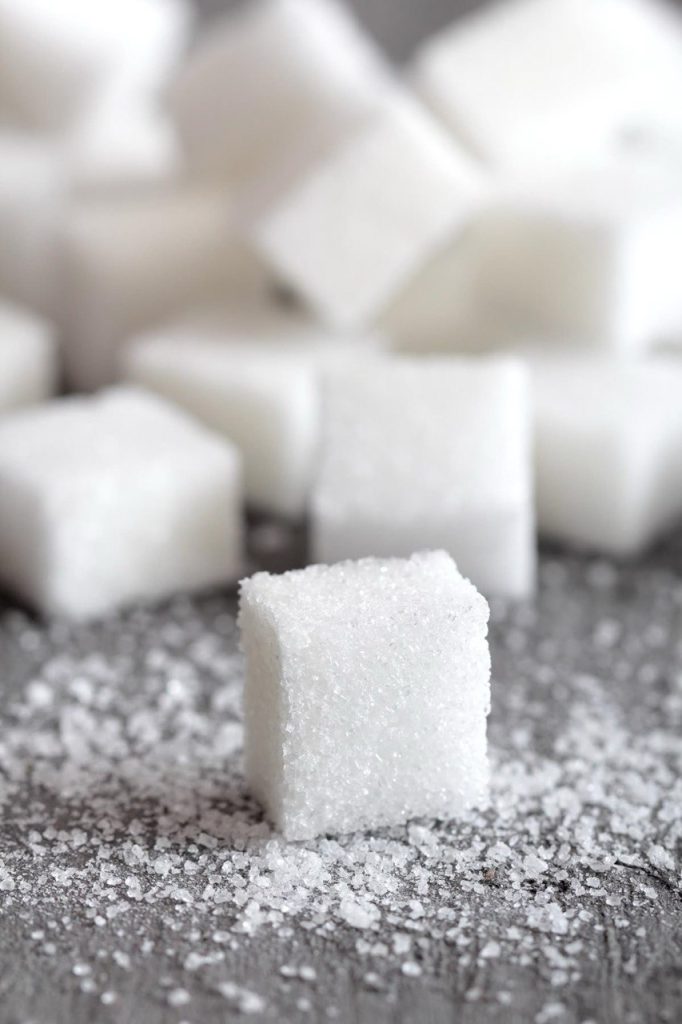
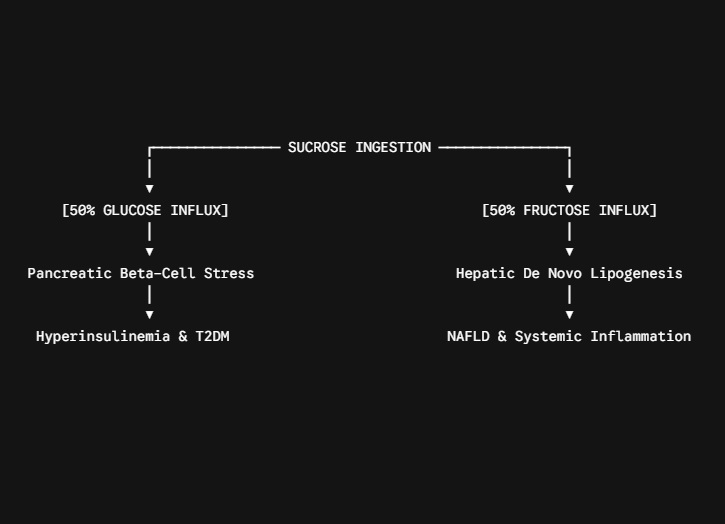
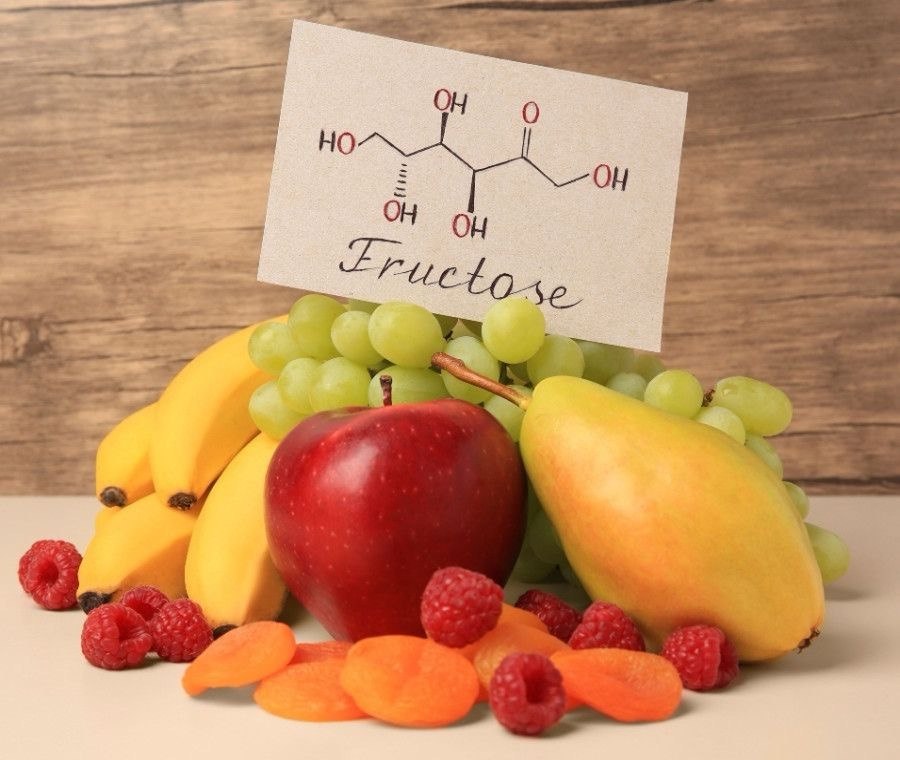
    To engineer a solution, we must first analyze the failure mechanics of the primary variable: Sucrose (C12H22_{22}O11) . Sucrose is a disaccharide composed of 50% glucose and 50% fructose . Each component triggers a distinct, highly damaging biochemical pathway when consumed in modern industrial quantities.

    The Pancreatic and Hepatic Toll

    • The Glucose Pathway and Insulin Resistance: Upon ingestion, glucose causes a rapid spike in blood plasma glucose levels . The pancreas responds by secreting high levels of insulin from beta-cells. Over time, chronic hyperinsulinemia down-regulates insulin receptors on cell membranes, directly causing Type 2 Diabetes .
    • The Fructose Pathway and Lipogenesis: Unlike glucose, fructose cannot be utilized directly by peripheral cells. It is processed entirely by the liver. Peer-reviewed clinical studies archived by MDPI Nutrients demonstrate that excessive hepatic fructose metabolism bypassing the phosphofructokinase regulatory step leads directly to De Novo Lipogenesis (DNL). This manifests as Non-Alcoholic Fatty Liver Disease (NAFLD) and visceral fat deposition.
    • Advanced Glycation End-Products (AGEs): Excess circulating sugars bond non-enzymatically with proteins and lipids. This process, known as glycation, creates AGEs which damage arterial walls, accelerate neural aging, and degrade cellular elasticity.

    2. Taxonomy of Alternative Sweeteners: Decoupling Sweetness from Calories

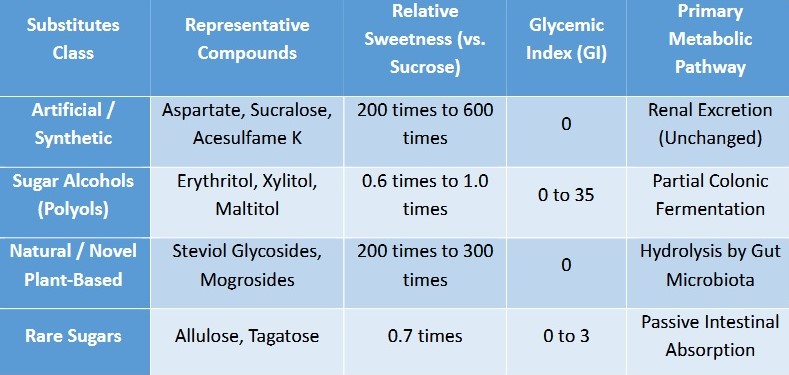
    To satisfy the human evolutionary drive for sweetness without triggering the glycemic pathways outlined above, food scientists have classified sugar substitutes into four distinct chemical groups. Each category features unique properties regarding absorption, thermal stability, and molecular interaction.

    Sources: Synthesized from Mayo Clinic Clinical Reviews & World Health Organization (WHO) Sweetener Guidelines.

    3. Sectional Breakdown: Analyzing the First Wave of Substitutes

    Category A: The Synthetic Frontier ( Artificial Sweeteners )

    Artificial sweeteners like Sucralose and Aspartame are chlorinated hydrocarbons or amino acid derivatives designed to fit precisely into the T1R2 and T1R3 sweet taste receptors on the tongue. Because they are not recognized by human digestive enzymes, they pass through the body without contributing calories.

    However, long-term epidemiological data published by The Lancet indicates that while synthetic sweeteners do not raise short-term blood sugar, their intense sweetness can alter neural taste thresholds and negatively impact gut microbiome composition over time.

    Category B: The Polyol Dilemma (Sugar Alcohols)

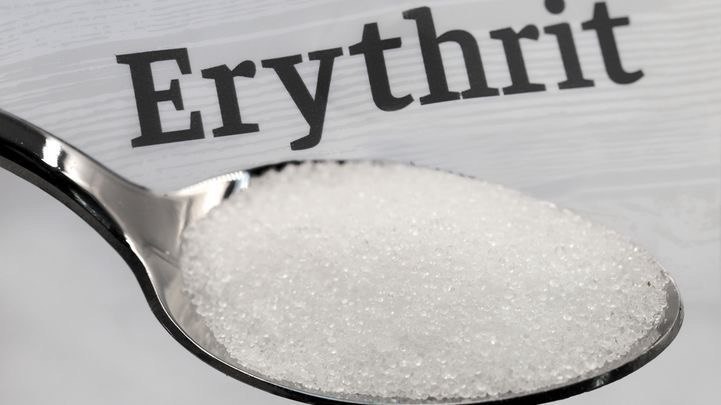
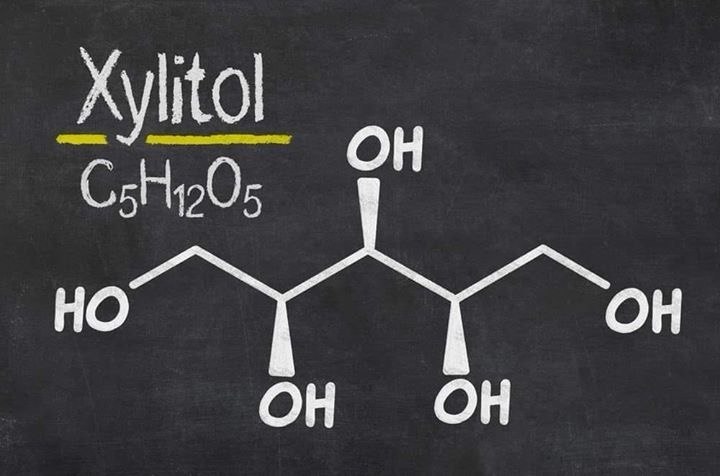
    Sugar alcohols, particularly Erythritol and Xylitol , maintain a chemical structure resembling both sugar and alcohol molecules. Erythritol is highly favored because its molecular weight allows more than 90% of it to be absorbed in the small intestine and excreted unchanged in urine, yielding a Glycemic Index of exactly 0.

    Other polyols, like Maltitol, carry a higher Glycemic Index (GI of 35) and can draw water into the large intestine, causing gastrointestinal distress when consumed in volume.

    4. The Functional Synergy: Health-Conscious Infrastructure

    At Green Trade Chain Ltd , our dedication to Agri-Tech Traceability and Innovation extends beyond premium minerals into the evaluation of pure, bioactive functional ingredients. Just as we use precise chromatographic methods to measure the bio-availability of the active ingredients in our Luxury Tastes Saffron Desert Salt , we also screen sugar alternatives for their long-term impact on systemic health and insulin sensitivity.

    True wellness requires complete freedom from metabolic volatility. While synthetic alternatives and polyols offer a temporary escape from refined sucrose, the ultimate goal of metabolic engineering is to discover an ingredient that doesn’t just pass through the body passively, but actively supports insulin pathways and fights cellular oxidation.

    Next Horizon: Unlocking the Ultimate Metabolic Sweetener

    The baseline alternatives have been set, but the scientific frontier has moved deeper into Natural Plant-Based Glycosides and Rare Sugars . One ultra-premium, naturally derived molecule has emerged as the absolute gold standard for glucose management, demonstrating an ability to enhance cellular insulin sensitivity and match the exact mouthfeel of sucrose without a single drop of metabolic toxicity.

    Which compound holds this crown, and how can you seamlessly integrate it into a luxury wellness lifestyle?

    [Continue to Part 2: The Biological Gold Standard of Sweeteners & Metabolic Restoration] — where we break down the definitive winner of the sweetener revolution, analyze its protective impact on pancreatic beta-cells, and provide an optimized blueprint for metabolic vitality.

    About the Author:

    Behdad Gitinezhad, PhD, CMgr , is the Founder and R&D Executive of Green Trade Chain Ltd . As a Chartered Manager (CMgr) with a PhD in Industrial Engineering, his research focuses on integrating advanced industrial systems and AI-driven frameworks to automate the production and optimisation of high-value botanical and mineral commodities.
    Leave a Reply Cancel reply

  • Global Acipenseridae Systems: A Micro-Structural, Socio-Economic, and Supply Chain Treatise on Contemporary Caviar Production (2000–2026)

    Global Acipenseridae Systems: A Micro-Structural, Socio-Economic, and Supply Chain Treatise on Contemporary Caviar Production (2000–2026)

    **Source:** https://www.luxurytastes.com/journal/global-acipenseridae-systems-a-micro-structural-socio-economic-and-supply-chain-treatise-on-contemporary-caviar-production-2000-2026/

    **Meta description:** Behind-the-scenes, saffron recipes, chef tips and luxury food stories from the UK’s 2-Star Great Taste Award-winning brand.

    Luxury Tastes Wins 2-Star Great Taste Award 2025 – UK’s Best Premium Super Negin Saffron Revealed

    Blind-tasted by 500+ Michelin chefs, critics and buyers. Stars explained:

    • 3 Stars (Exquisite): Top ~2 % – world-class
    • 2 Stars (Outstanding): Elite top ~10 % – we won in 2025
    • 1 Star: Solid ~28 % – great, but not elite

    Global Acipenseridae Systems: A Micro-Structural, Socio-Economic, and Supply Chain Treatise on Contemporary Caviar Production (2000–2026)

    1. Introduction and Evolutionary Taxonomy of Acipenseridae

    The term “caviar” refers strictly to the processed, salted roe of critically endangered sturgeon species belonging to the family Acipenseridae . For more than two decades, the global trade of this high-value luxury commodity has operated under a profound paradigm shift: transitioning from wild, unregulated harvesting in the Caspian and Black Sea basins to highly digitized, automated, and intensive recirculating aquaculture systems (RAS) across Europe and Asia.

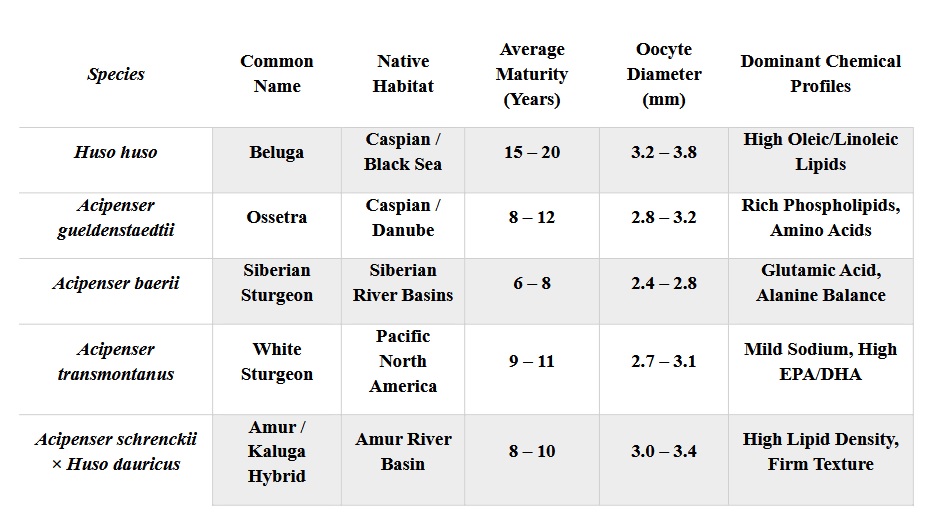
    From an Industrial Systems Engineering and bio-economic perspective, sturgeon are slow-maturing biological assets. The optimization of their production requires precise longitudinal modeling. Understanding the evolutionary taxonomy and structural differences between these species is the first step in assessing their commercial value.

    Table 1: Phylogenetic and Commercial Matrix of Premium Acipenseridae Species

    Sources: Compiled from FAO Fishery Statistics (2024) & Bronzi et al. (2011) longitudinal sturgeon reviews.

    2. Geological & Hydrological Foundations of Sturgeon Farming

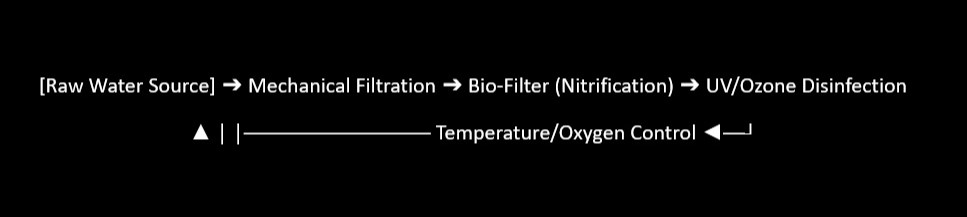
    The shift toward global aquaculture has highlighted the critical role of water chemistry and containment design. Modern premium caviar production relies on two main methods: Open Net-Pens in pristine alpine lakes, and highly controlled indoor Recirculating Aquaculture Systems (RAS) .

    Recirculating Aquaculture Systems (RAS) Control Metrics

    In an engineering ecosystem, water quality functions as a primary driver of egg quality. According to research by Pikitch et al. (2005) and updated aquaculture engineering profiles (Badiola et al., 2012), the following parameters must be strictly automated:

    • Dissolved Oxygen (DO): Must be maintained at over 85% saturation (>7.5 mg/L at 15°C) to prevent metabolic stress in female sturgeons, which directly causes egg resorption (follicular atresia).
    • Total Ammonia Nitrogen (TAN): Must be kept below 0.5 mg/L through advanced bio-filtration systems utilizing specialized nitrifying bacteria layers.
    • Thermal Optimization: Sturgeons require specific temperature cycles. During the final vitellogenesis stage (egg maturation), dropping the water temperature to 6°C–8°C for a 60-day period mimics natural winter conditions, ensuring uniform egg size and preventing premature degradation.

    3. Chromatographic and Physical Evaluation of Premium Caviar

    To protect against market fraud and ensure world-class quality, professional buyers use high-tech sensory and chemical evaluation methods rather than just visual inspection.

    High-Performance Liquid Chromatography (HPLC) Fingerprinting

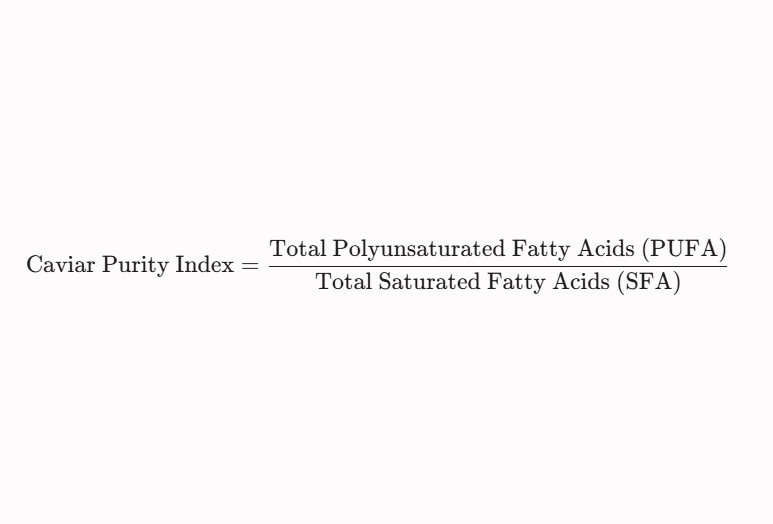
    Just as HPLC analysis is used to determine the purity of premium botanicals like Super Negin saffron (Alonso, 2001), it is also deployed to audit the lipid and amino acid profiles of caviar. High-grade caviar is defined by its volatile and non-volatile profiles:

    Premium caviar yields a significantly higher ratio of Omega-3 polyunsaturated fatty acids , specifically Eicosapentaenoic Acid (EPA) and Docosahexaenoic Acid (DHA). These compounds provide both exceptional nutritional value and a smooth, buttery texture that melts at room temperature.

    Physical Indicators of Authenticity

    • Egg Integrity (The Pop Test): The outer membrane (zona radiata) must be firm enough to resist initial tongue pressure but yield smoothly without being rubbery. Excessive firmness indicates chemical over-processing or the use of pasteurization techniques that damage flavor.
    • Color Uniformity: While wild caviar displayed high color variation, modern AI-Driven Sorting Systems grade caviar by shade (e.g., Triple 0 Gold for Ossetra) to ensure absolute consistency within a single tin.
    • The Malossol Standard: Derived from the Russian term for “little salt,” authentic premium caviar contains a strict salt content of 2.5% to 3.5% pure vacuum-refined sodium chloride. Any concentration above 4% is typically a sign of lower-grade processing meant to artificially extend shelf life.

    4. Macro-Economic Dynamics: Global Trade, Demand, and Future Insights

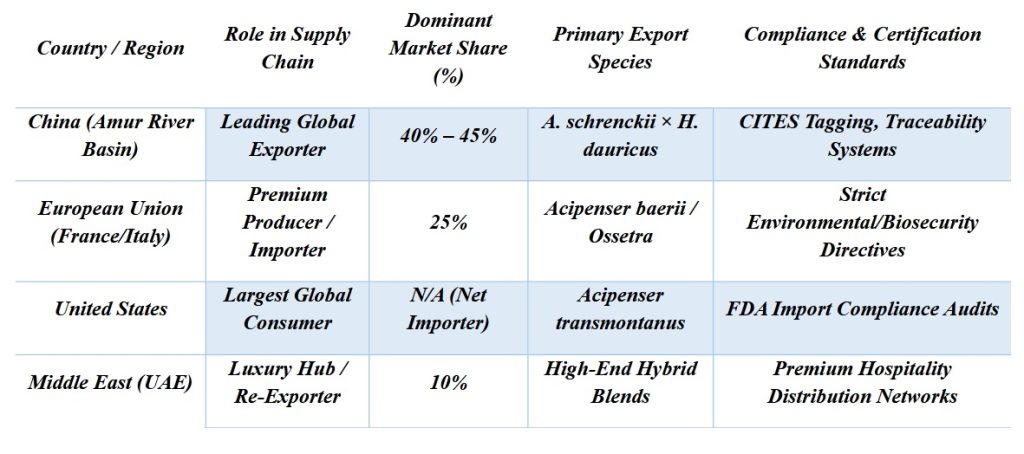
    The commercial market for caviar is shaped by international compliance laws, primarily enforced by CITES (Convention on International Trade in Endangered Species) . Since the wild harvesting bans of the early 2000s, production power has shifted geographically.

    Table 2: Global Import-Export and Market Density (2020–2026 Metrics)

    Sources: Synthesized from CITES Trade Database and TRAFFIC International Reports (2021–2026).

    Future Insights and Sustainable Innovations

    The future of luxury gastronomy relies on combining environmental responsibility with tech-driven transparency. Key trends shaping the market include:

    • Blockchain-Driven Traceability: Leading producers are using cryptographic supply chains to track every tin of caviar back to the specific female sturgeon’s microchip, documenting her complete ultrasound records and water profile.
    • Cruelty-Free Caviar (No-Kill Harvesting): While still a small niche, techniques involving the massage extraction of eggs (using signaling hormones like ovaprim) are being explored to allow continuous harvesting from a single biological asset without slaughter. However, chemical stabilizers are required to prevent egg softening during this process, making traditional Malossol harvesting the preferred method for the ultra-luxury market.

    5. Professional Gastronomy and Cultural Rituals

    Caviar is a complex structural mineral and lipid network that reacts easily with external materials.

    • The Oxidation Matrix: Contact with silver, brass, or iron causes instant oxidation of the delicate lipids, leaving a metallic taste. To maintain the purity of the chemical profile, caviar must only be served with non-reactive materials such as Mother-of-Pearl , bone, gold-plated spoons, or custom-cut glass.
    • Precision Temperature Control: Caviar must be stored at -2°C to 0°C —a temperature that halts enzymatic breakdown without freezing the internal water of the egg, which would rupture the outer membrane.

    Conclusion: The Horizon of Precision Luxury

    Caviar has evolved from an over-exploited wild resource into a masterclass in modern bio-engineering and luxury brand scaling. The businesses that dominate this market do so by combining historic culinary traditions with strict scientific controls. By understanding the physical chemistry, taxonomy, and macroeconomic dynamics of these species, brands can deliver products that provide uncompromising purity and exceptional quality to consumers worldwide.

    Discover the pinnacle of traceably engineered food commodities and curated luxury experiences at Luxury Tastes .

    About the Author:

    Behdad Gitinezhad, PhD, CMgr, is the Founder and R&D Executive of Green Trade Chain Ltd . As a Chartered Manager (CMgr) with a PhD in Industrial Engineering, his research focuses on integrating advanced industrial systems and AI-driven frameworks to automate the production and optimisation of high-value botanical and mineral commodities.
    Leave a Reply Cancel reply